
Build Sustainably with Earthbag Construction: Earthbag Building Education for a Greener Future
Sustainability is more than a buzzword; it’s a lifestyle choice that shapes how we build, live, and interact with our environment. One of the most exciting and practical ways to embrace sustainable living is through earthbag construction. This method offers a unique blend of affordability, durability, and eco-friendliness that appeals to those seeking to reduce their environmental footprint while creating safe, comfortable homes. In this post, I’ll share insights into earthbag building education, practical steps to get started, and how this technique can empower you to build sustainably.
What Is Earthbag Construction? An Introduction to Earthbag Building Education
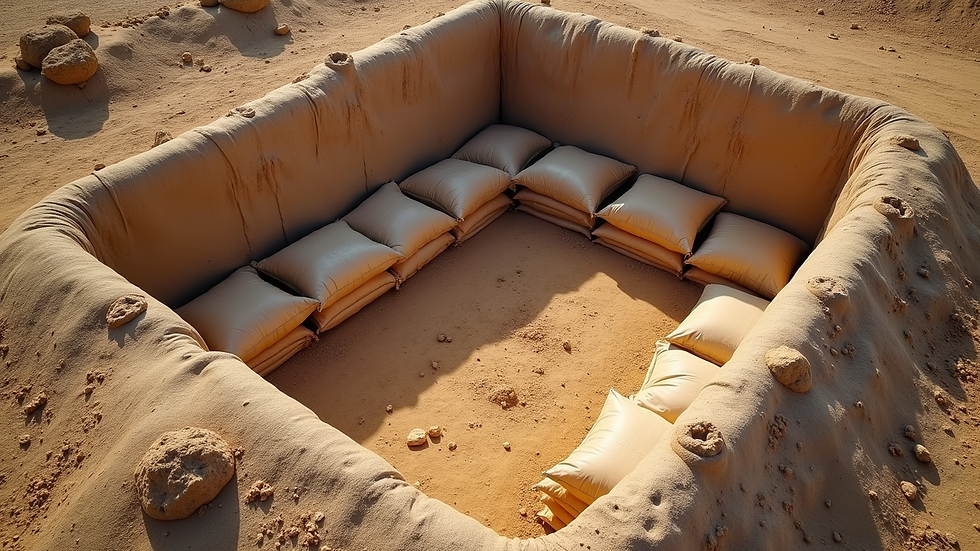
Earthbag construction is a natural building technique that uses polypropylene or burlap bags filled with earth or other natural materials to create walls. These bags are stacked in courses, tamped down, and often plastered with natural materials like clay or lime to protect against weather. The result is a strong, insulated, and fire-resistant structure that blends harmoniously with the environment.
The beauty of earthbag construction lies in its simplicity and accessibility. You don’t need expensive materials or specialized tools. Instead, you rely on local soil, recycled bags, and manual labor. This makes it an ideal choice for individuals and communities interested in sustainable living and self-sufficiency.
Earthbag building education focuses on teaching these techniques through hands-on workshops and courses. These sessions cover everything from site selection and soil testing to wall construction and finishing touches. By learning these skills, you gain the confidence to build your own eco-friendly home or community structure.

Why Choose Earthbag Construction? Benefits That Matter
Choosing earthbag construction means embracing a building method that offers numerous benefits:
Sustainability: Earthbags use natural or recycled materials, reducing the need for manufactured building products. This lowers your carbon footprint and minimizes waste.
Affordability: Since earthbags are inexpensive and often filled with onsite soil, construction costs drop significantly.
Durability: Earthbag walls are strong and resistant to natural disasters like earthquakes, floods, and fires.
Thermal Mass: The thick walls provide excellent insulation, keeping interiors cool in summer and warm in winter.
Flexibility: Earthbag construction allows for creative designs, including curved walls and domes, which are difficult with conventional materials.
Low Skill Barrier: With proper guidance, anyone can learn to build with earthbags, making it accessible for self-builders and community projects.
These advantages make earthbag construction a compelling choice for those committed to sustainable living and natural health.
Getting Started: Practical Steps to Build with Earthbags
Starting your earthbag building project might seem daunting, but breaking it down into manageable steps makes it achievable. Here’s a practical guide to help you begin:
Learn the Basics
Before you start, invest time in earthbag building education. Attending an earthbag construction workshop is invaluable. These workshops provide hands-on experience and expert advice that can save you time and effort.
Site Selection and Preparation
Choose a location with good drainage and access to natural resources. Clear the site and level the ground. Consider sun orientation to maximize natural heating and cooling.
Soil Testing
Not all soil is suitable for earthbag construction. Ideally, your soil should have a good mix of sand, silt, and clay. You can test soil by making a small mud ball and letting it dry. If it cracks excessively, you may need to amend it with sand or clay.
Gather Materials
Collect polypropylene or burlap bags, barbed wire (for stability between layers), tamping tools, and plastering materials like clay or lime.
Build the Foundation
A sturdy foundation is crucial. Use gravel or stone to create a base that prevents moisture from seeping into the bags.
Stack and Tamp Bags
Fill bags with soil, stack them in courses, and tamp them down firmly. Place barbed wire between layers to lock the bags in place.
Install Doors and Windows
Frame openings carefully to maintain structural integrity. Use wood or recycled materials for frames.
Plaster and Finish
Apply natural plaster to protect walls from weather and add aesthetic appeal. Multiple coats may be necessary.
Add Roofing
Choose a roof that complements your design and provides adequate protection from rain and sun.
By following these steps, you can create a durable, sustainable structure that meets your needs.
Tips for Success: Avoiding Common Pitfalls in Earthbag Building
While earthbag construction is straightforward, some challenges can arise. Here are tips to help you avoid common mistakes:
Use Quality Bags: Polypropylene bags are preferred for their durability and resistance to rot. Burlap bags degrade faster and may require more maintenance.
Proper Soil Mix: Test and adjust your soil mix to ensure it compacts well and holds shape.
Moisture Management: Protect your walls from water by building a good foundation and roof overhangs. Moisture can weaken the structure.
Barbed Wire Placement: Don’t skip the barbed wire between layers. It adds crucial tensile strength and prevents slippage.
Consistent Tamping: Tamp each bag firmly and evenly to avoid weak spots.
Plan Openings Carefully: Doors and windows need strong frames and lintels to support the weight above.
Finish with Care: Use breathable natural plasters to allow moisture to escape and prevent mold.
By paying attention to these details, you’ll ensure your earthbag building stands the test of time.
Expanding Your Skills: Combining Earthbag Construction with Other Sustainable Practices
Earthbag construction is just one piece of the sustainable living puzzle. Combining it with other eco-friendly techniques can amplify your impact. For example:
Aquaponics: Integrate aquaponic systems to grow food sustainably alongside your earthbag home.
Biodigester Systems: Use biodigesters to manage waste and produce biogas for cooking or heating.
Natural Wellness: Incorporate natural health practices, such as using functional mushroom concentrates, to support well-being in your sustainable lifestyle.
Learning these complementary skills can be part of a broader earthbag building education program or workshop. This holistic approach empowers you to live more self-sufficiently and harmoniously with nature.
Taking the Next Step: How to Get Involved and Learn More
If you’re inspired to build sustainably with earthbag construction, the best way to start is by gaining hands-on experience. I highly recommend attending an earthbag construction workshop. These workshops provide practical training, expert guidance, and a supportive community of like-minded individuals.
Additionally, seek out books, online tutorials, and local natural building groups. Experiment with small projects like garden walls or storage sheds to build confidence before tackling larger structures.
Remember, sustainable building is a journey. Each step you take contributes to a healthier planet and a more resilient lifestyle.
Building with earthbags is more than a construction method - it’s a pathway to living gently on the earth. By embracing this technique, you invest in a future where homes are safe, affordable, and in tune with nature. Whether you’re dreaming of a cozy cabin, a community center, or a garden shelter, earthbag construction offers a practical, empowering way to build sustainably.


Comments