
Sustainable Living Essentials: Essential Tools for Sustainable Living
Living sustainably is more than just a trend - it’s a lifestyle choice that helps protect our planet and promotes well-being. Over the years, I have explored many ways to reduce waste, conserve resources, and live in harmony with nature. What I’ve found is that having the right tools can make all the difference. These tools not only simplify the process but also empower us to take meaningful action every day.
In this post, I’ll share some of the most effective sustainable living essentials that anyone can incorporate into their daily routine. Whether you’re just starting or looking to deepen your commitment, these practical tools will help you build a more eco-friendly and self-sufficient life.
Sustainable Living Essentials: Practical Tools to Get Started
When I first began my journey toward sustainability, I quickly realized that small changes add up. Here are some of the essentials that have helped me reduce my environmental footprint:
Reusable Bags and Containers: Switching to reusable shopping bags, produce bags, and food containers cuts down on single-use plastics. I always carry a set of cloth bags and glass jars for groceries and leftovers.
Water Filtration Systems: Clean water is vital, and using a water filter reduces reliance on bottled water. I installed a simple under-sink filter that provides fresh, great-tasting water straight from the tap.
Composting Bins: Composting kitchen scraps turns waste into nutrient-rich soil. I use a compact countertop compost bin for food scraps and a larger outdoor bin for yard waste.
Energy-Efficient Lighting: Replacing incandescent bulbs with LED lights saves energy and lowers electricity bills. LEDs last longer and use a fraction of the power.
Solar Chargers and Panels: Harnessing solar energy is a powerful way to reduce fossil fuel use. Portable solar chargers keep my devices powered on the go, and I’m exploring options for home solar panels.
These items are just the beginning. Each one supports a sustainable lifestyle by reducing waste, conserving resources, or generating clean energy.

Reusable cloth bags are a simple yet powerful tool for reducing plastic waste.
What are the 7 Rs of sustainable living?
Understanding the 7 Rs is a helpful framework for making sustainable choices. These principles guide how we consume, dispose of, and reuse resources:
Refuse - Say no to unnecessary items, especially single-use plastics and packaging.
Reduce - Minimize consumption and waste by buying only what you need.
Reuse - Find new uses for items instead of throwing them away.
Repair - Fix broken items to extend their life.
Recycle - Properly sort and recycle materials to keep them out of landfills.
Rot - Compost organic waste to enrich soil.
Rethink - Continuously evaluate habits and choices to improve sustainability.
By applying these Rs, I’ve been able to make more conscious decisions that benefit both my household and the environment. For example, I refuse plastic straws and reduce food waste by meal planning. Repairing clothes and electronics has saved money and resources, while composting has transformed kitchen scraps into garden gold.
Tools That Support Sustainable Food Practices
Food production and consumption have a huge environmental impact. Fortunately, there are many tools that help grow, preserve, and enjoy food sustainably:
Aquaponics Systems: These combine fish farming with hydroponic plant growing, creating a closed-loop ecosystem. I’ve found aquaponics to be a fascinating way to grow fresh vegetables and raise fish with minimal water use.
Seed Saving Kits: Saving seeds from your garden plants reduces dependence on commercial seed suppliers and preserves biodiversity.
Food Dehydrators and Canning Supplies: Preserving seasonal produce extends its shelf life and reduces food waste. I use a dehydrator to make dried fruits and herbs, and I’ve started canning tomatoes and jams.
Rainwater Harvesting Barrels: Collecting rainwater for irrigation conserves tap water and supports healthy gardens.
Compostable Kitchen Tools: Items like bamboo cutting boards and biodegradable scrubbers reduce plastic use in the kitchen.
These tools not only promote self-sufficiency but also connect us more deeply with the food we eat and the natural cycles that sustain life.
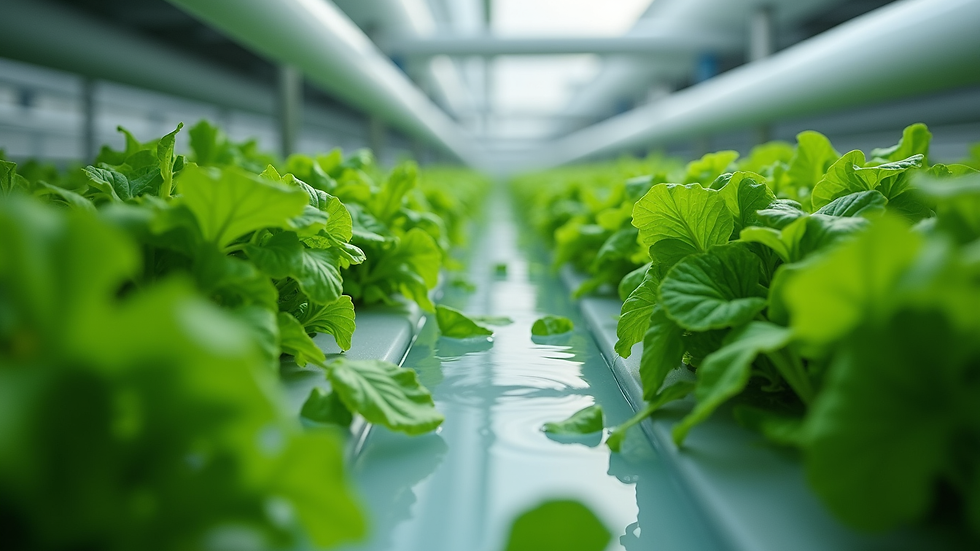
An aquaponics system efficiently combines fish farming and plant cultivation.
How to Choose the Right Tools for Your Sustainable Lifestyle
Choosing the right tools depends on your goals, space, and lifestyle. Here are some tips to help you select what works best:
Start Small: Begin with simple tools like reusable bags or a compost bin. Gradually add more complex systems like solar panels or aquaponics.
Consider Your Environment: If you live in an apartment, focus on tools that fit small spaces, such as indoor herb gardens or countertop composters.
Prioritize Multi-Use Items: Tools that serve multiple purposes save money and reduce clutter. For example, a solar charger can power phones, lights, and small appliances.
Invest in Quality: Durable, well-made tools last longer and reduce waste over time.
Learn and Adapt: Sustainable living is a journey. Be open to trying new tools and adjusting your approach as you learn what works best.
I’ve found that combining practical tools with ongoing education and community support creates a strong foundation for lasting change.
Embracing Sustainable Living with Confidence
Adopting sustainable living essentials is empowering. It’s about making choices that align with your values and contribute to a healthier planet. Whether it’s growing your own food, reducing waste, or conserving energy, every step counts.
If you’re interested in expanding your skills, consider exploring hands-on training in areas like aquaponics, earthbag construction, or biodigester systems. These practical skills deepen your connection to the environment and increase your self-sufficiency.
For those who want to support natural wellness, functional mushroom concentrates offer a water-based, alcohol-free option that complements a sustainable lifestyle.
By integrating these tools and practices, you can create a balanced, eco-friendly life that nurtures both you and the earth. For more ideas and resources, check out this list of tools for sustainable living.
Sustainable living is a continuous journey, but with the right tools and mindset, it becomes a rewarding and joyful way to live.
Thank you for joining me on this exploration of sustainable living essentials. I hope these insights inspire you to take practical steps toward a greener future.


Comments