
Understanding Fungi with Online Fungi Education
Fungi are fascinating organisms that play crucial roles in ecosystems, human health, and sustainable living. From decomposing organic matter to forming symbiotic relationships with plants, fungi are everywhere, yet often overlooked. I’ve found that diving into the world of fungi through online fungi education opens up a whole new perspective on nature and sustainability. In this post, I’ll share insights on why learning about fungi matters, how online mycology classes can help, and practical ways to apply this knowledge in everyday life.
Why Online Fungi Education Matters
Fungi are essential to life on Earth. They recycle nutrients, support plant growth, and even contribute to natural wellness. However, many people don’t realize how diverse and impactful fungi are. Online fungi education offers a flexible and accessible way to explore this hidden kingdom. Whether you’re interested in gardening, natural health, or sustainable farming, understanding fungi can enhance your skills and deepen your connection to the environment.
One of the biggest advantages of online learning is the ability to study at your own pace. You can revisit complex topics, watch detailed videos, and participate in forums to ask questions. This flexibility is especially helpful for those balancing busy schedules or living in areas without easy access to specialized courses.
Exploring the Basics of Fungi
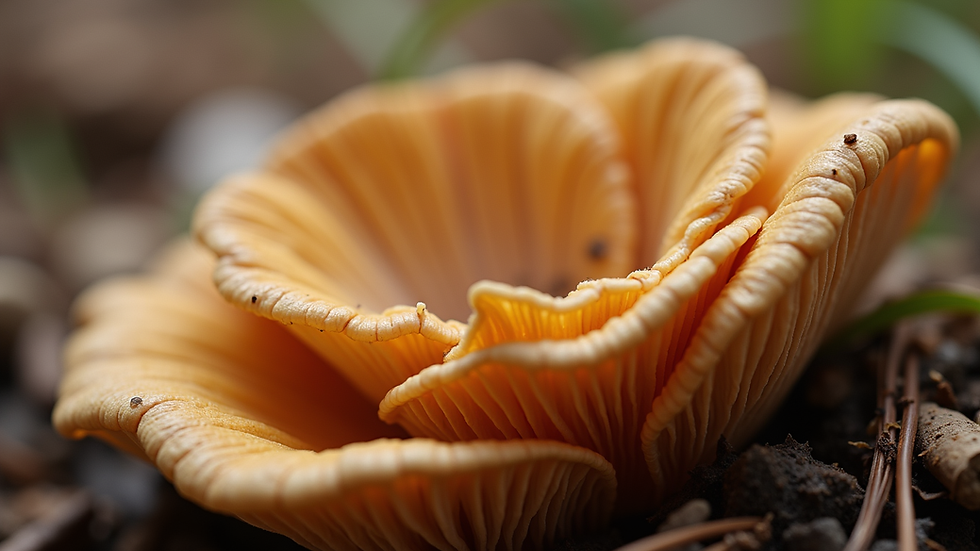
To appreciate fungi fully, it helps to start with the basics. Fungi are neither plants nor animals; they belong to their own kingdom. They reproduce through spores and absorb nutrients from their surroundings. Some fungi form visible fruiting bodies like mushrooms, while others exist as microscopic networks called mycelium.
Mycelium is particularly interesting because it acts like a natural internet underground, connecting plants and trees. This network helps transfer water, nutrients, and even chemical signals between plants, promoting forest health. Learning about these processes can inspire sustainable gardening and farming practices.
In an online fungi education course, you’ll often explore:
Fungal anatomy and life cycles
Different types of fungi (mushrooms, molds, yeasts)
Ecological roles of fungi
Identification techniques for wild fungi
Safe and ethical foraging practices
These topics build a solid foundation for anyone interested in natural health, food production, or environmental stewardship.
How Online Mycology Classes Enhance Learning
Taking a mycology class online has been a game-changer for me. The structured lessons, combined with interactive content, make complex concepts easier to grasp. Many courses include video demonstrations, quizzes, and downloadable resources that reinforce learning.
One of the best features is the community aspect. Online classes often have discussion boards or live Q&A sessions where you can connect with instructors and fellow learners. This interaction enriches the experience and provides support as you explore new topics.
Additionally, online mycology classes often emphasize practical skills. For example, you might learn how to cultivate edible mushrooms at home or create your own mushroom-based natural remedies. These hands-on projects make the knowledge tangible and immediately useful.
Practical Applications of Fungi Knowledge
Understanding fungi is not just academic - it has real-world applications that support sustainable living and natural wellness. Here are some ways you can apply what you learn from online fungi education:
Grow Your Own Mushrooms
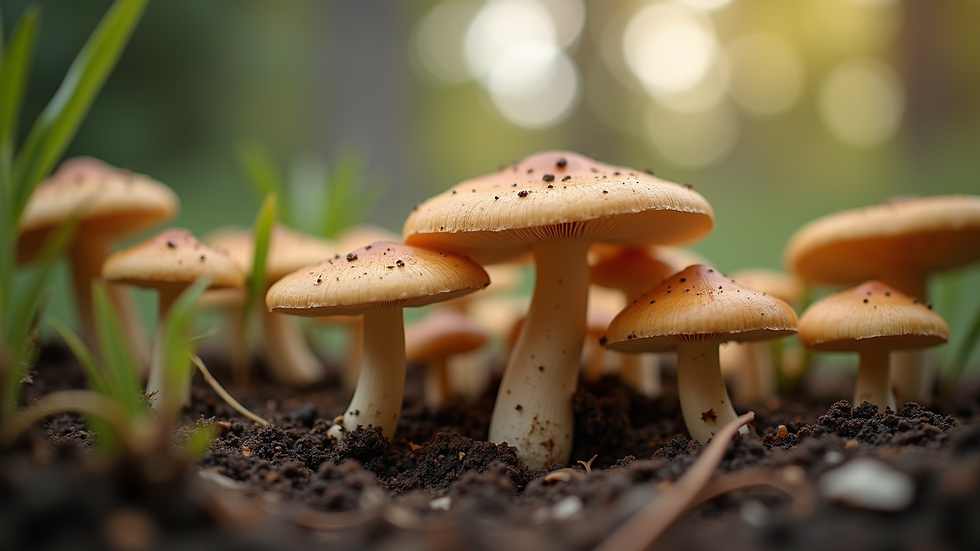
Cultivating mushrooms at home is a rewarding way to produce nutritious food. Many species require minimal space and resources, making them ideal for small-scale or urban gardening.
Enhance Soil Health
Incorporating fungi-friendly practices in your garden improves soil structure and fertility. Using mycorrhizal inoculants can boost plant growth and resilience.
Create Natural Remedies
Functional mushrooms like reishi, lion’s mane, and chaga have been used for centuries to support immune health and cognitive function. Learning how to prepare water-based and alcohol-free mushroom concentrates can add natural wellness options to your routine.
Compost Efficiently
Fungi accelerate decomposition, turning organic waste into rich compost. Understanding fungal roles in composting helps you manage waste sustainably.
Support Biodiversity
Fungi contribute to ecosystem balance. By fostering fungal diversity in your environment, you help maintain healthy habitats for plants and animals.
Expanding Your Skills for Sustainable Living
Online fungi education fits perfectly with broader goals of sustainability and self-sufficiency. At ArchAngel Farms, we believe that practical skills empower individuals and communities to live more harmoniously with nature. Learning about fungi complements other sustainable practices like aquaponics, earthbag construction, and biodigester systems.
By integrating fungi knowledge with these techniques, you can create resilient, productive systems that benefit both people and the planet. For example, mushroom cultivation can be combined with composting and water recycling to close nutrient loops and reduce waste.
If you’re ready to deepen your understanding and take practical steps toward natural wellness, consider enrolling in a mycology class online. It’s a flexible, engaging way to explore the fascinating world of fungi and apply that knowledge in meaningful ways.
Exploring fungi through online education opens doors to new skills and sustainable practices. Whether you want to grow your own food, improve soil health, or create natural remedies, fungi offer incredible opportunities. With accessible courses and supportive communities, learning about fungi has never been easier or more rewarding. Embrace the journey and discover how these remarkable organisms can enrich your life and environment.


Comments